
ASIF Webinar – Pain Unpacked: Understanding Different Types of Pain and Their Impact

As part of Pain Awareness Month, we were delighted to host an engaging webinar exploring one of the most important and often misunderstood aspects of living with axial spondyloarthritis (axSpA) and psoriatic arthritis (PsA): pain.
The session was presented by Nadia Malliou, ASIF Trustee, President of Pain Alliance Europe and cognitive psychologist.
During the webinar, Nadia challenged the common assumption that pain is a single experience with a single cause. She explained that pain can arise through different biological mechanisms and that people with axSpA and PsA may experience inflammatory, neuropathic and nociplastic pain, either separately or in combination. Understanding these different mechanisms can help people better describe their symptoms and support more informed conversations with healthcare professionals.
A key message from the session was that persistent pain should not be dismissed simply because inflammation appears to be well controlled. Nadia explored the often-frustrating mismatch between “good results” on scans or blood tests and ongoing pain, emphasising that pain remains real and can continue through mechanisms beyond inflammation.
The webinar also introduced the concept of nociplastic pain, which relates to increased sensitivity in the body’s pain-processing systems. Participants learned that factors such as sleep, stress and mood can influence pain experiences, not because pain is “all in the mind”, but because these factors interact with the biology of pain itself.
Using real-world patient scenarios, the session highlighted how different types of pain can present in everyday life and why recognising patterns and describing the quality of pain, such as aching, burning, tingling, widespread or touch-sensitive pain, can provide valuable information for healthcare teams.
The webinar concluded with four key takeaways:
- Pain can occur through different biological pathways, and these mechanisms can overlap.
- Good inflammation control does not always mean good pain control.
- Terms such as “difficult to manage” or “refractory” describe treatment patterns rather than the person experiencing the condition.
- Better language around pain is critical in supporting better communication and care.
Throughout the session, participants were encouraged to reflect on their own experiences and consider how they might communicate the impact of pain more effectively during healthcare appointments. The overarching message was simple but powerful: your pain is worth describing, understanding and taking seriously.
Thank you to Nadia for an invaluable insight into the concept and realities of pain.
If you missed the live webinar, you can now watch the recording on demand.
Other NEWS
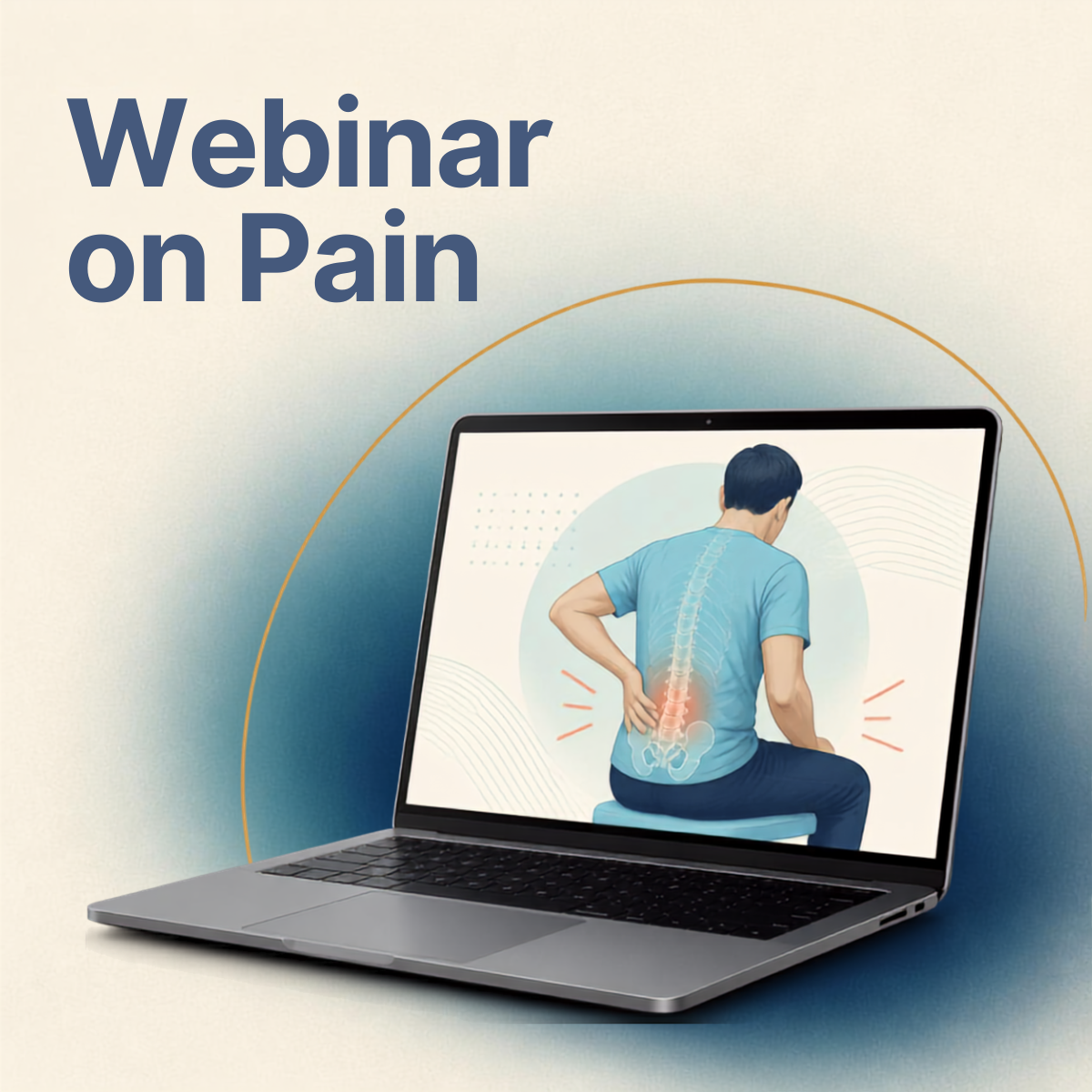
Webinar – Pain Unpacked: Understanding Different Types of Pain and Their Impact
As part of Pain Awareness Month, ASIF is hosting a Webinar on the important …
Read More

IMAP Gains Momentum as More Than 20 Countries Confirm Participation
More than 20 countries across Europe have already agreed to …
Read More